
Strategic Preconstruction Services That Drive Project Success

Metal drafting compass placed on residential architectural floor plans with measurement tools and blueprints.

Effective pre-construction services and planning is the cornerstone of a successful construction project. The Burling Approach to pre-construction is to serve both the Owner and Architect as a reliable source of current, complete, and accurate information. This enables the project team to make informed and well-grounded decisions relating to the balance of schedule, cost, and quality while considering not only the initial investment but also the Life Cycle Cost implications.

Working in collaboration with the project team, we provide insight into innovative and creative construction methods and materials to ensure our clients receive a high-performance facility that maximizes return on investment.
The scope of pre-construction services should customize to your needs and goals depending on considerations including project specifics, construction delivery method, and design phase.

White construction hard hat on a desk with architectural drawings, measuring tools, and colored pencils in a planning office setting.

The Pre-Construction Team of Burling offers services including:

• Detailed Plan & Specification Review
• Phased Budget Estimates & Value-Engineering Recommendations
• Structural & Systems Construction Means & Methods Analysis
• Pre-Construction Scheduling, Logistics, & Sequencing
• Quality Control & Quality Assurance Set-Up
• Risk Assessment & Safety Planning
• Development of Inclusion Strategies
• Bid Package & Work Scope Development
• Sub-Contractor Prequalification & Bid Advertisement/Promotion
• LEED Analysis & Point Evaluation

With expertise in a variety of delivery methods including General Contracting, Design/Build, and Construction Management, we customize our approach based on the specifics of each project and the goals of our clients.


Our commitment to sustainable design and construction, safety, inclusion, and community involvement set us apart in our industry.
View Our Project Experience

Share the Post:

Related Posts

General Contractor preconstruction planning chicago

Sample Post 2

Add Your Heading Text Here sdfjl lakjsdfl sl;jkf asdsdfjl lakjsdfl sl;jkf asdsdfjl lakjsdfl sl;jkf asdsdfjl lakjsdfl sl;jkf asdsdfjl lakjsdfl sl;jkf asdsdfjl lakjsdfl sl;jkf asdsdfjl lakjsdfl

Sample Post

alsdkf a;dklfj asldkjf a;sdljf als;f a;sldkjfal; ;alsdkjf;alskd ;alskjf;laskdjflk;asdj

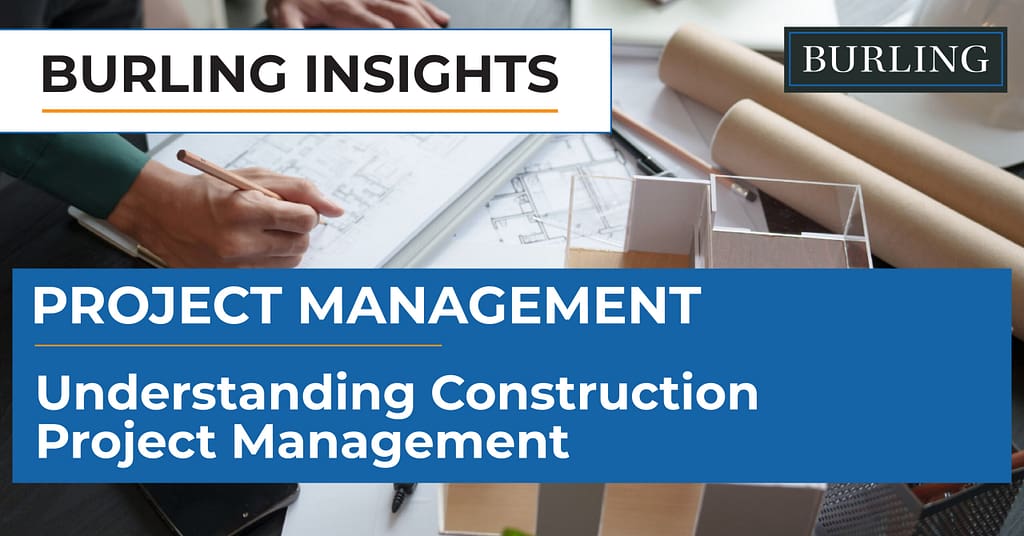
Architect reviewing residential floor plans while sketching notes beside a small interior scale model, with drafting tools and rolled drawings on a desk.

Understanding Construction Project Management

Construction project management involves planning, coordinating, and controlling resources to deliver projects on time, within budget, and according to specifications. Effective management improves productivity, strengthens communication, reduces risk, and ensures quality from planning through project closeout.

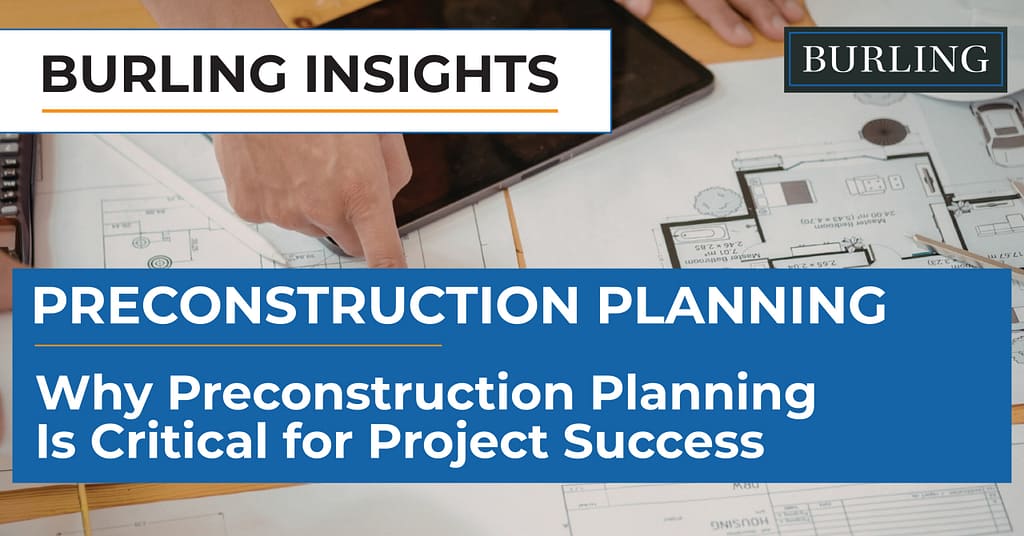
Close-up of a project team member pointing at architectural floor plans spread across a desk with a calculator and tablet, reviewing construction drawings and measurements.

Why Preconstruction Planning Is Critical for Project Success

Preconstruction planning lays the foundation for successful construction projects by aligning scope, budget, schedule, and team communication before work begins. By identifying risks early and refining design details in advance, project teams can reduce delays, control costs, and improve overall project outcomes.

Construction professional wearing a high-visibility safety vest reviewing documents on a clipboard, with overlay text reading “Improving Construction Quality Control on the Job Site” and Burling branding.

Improving Construction Quality Control on the Job Site

A strong quality control process helps construction teams deliver work that meets specifications the first time. By defining clear acceptance criteria, conducting structured inspections, correcting deficiencies, and applying lessons learned, contractors can reduce rework, improve profitability, and increase client satisfaction.

Construction workers wearing safety vests and hard hats on a job site demonstrating safety risk management practices.

Managing Safety Risks in Construction Projects

Managing safety risks in construction requires strong oversight, clear subcontractor expectations, and consistent enforcement of jobsite safety standards. General contractors and construction managers play a critical role in coordinating multiple trades while protecting workers and maintaining regulatory compliance.